What to bring home from Serbia - a guide to local products
The best local products from Serbia as a souvenir or gift: rakija, acacia honey, ajvar, cheese and cured meats - what each is and how to carry them home.
The best souvenir from Serbia is not a fridge magnet - it is a taste. Local products make a gift people remember, and one that is far more personal than anything from a souvenir shop. If you are coming to Expo 2027, the specialised exhibition held in Surcin from 15 May to 15 August 2027 under the theme "Play for Humanity: Sport and Music for All", you will have enough time to visit the markets and take a piece of Serbia home. This guide walks through the best picks, what each one is, where to buy it and how to carry it safely.
Rakija - a Serbian brand like no other
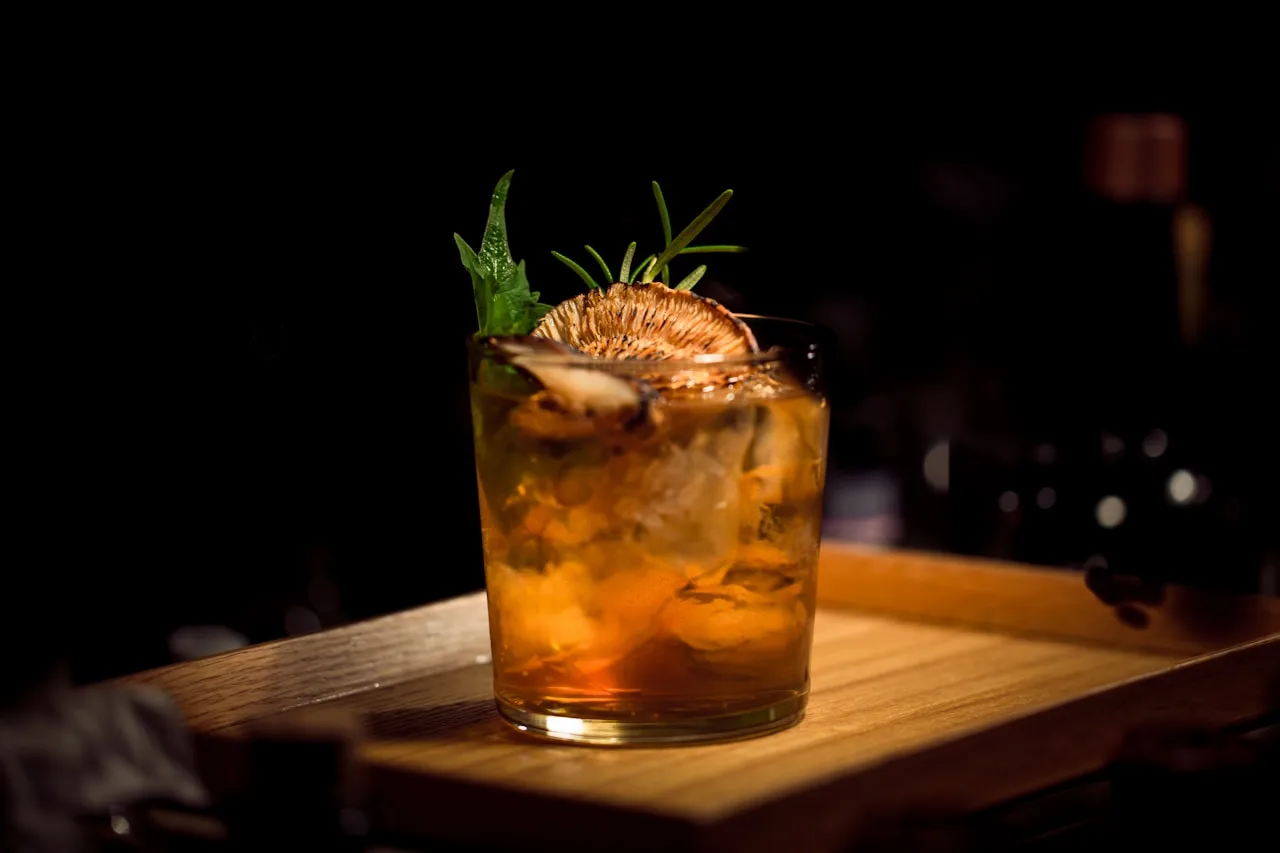
Homemade plum brandy (sljivovica) and apricot brandy (kajsijevaca) are the pride of every household. Distilled in traditional copper stills, with the strength clearly stated (often around 45% vol), they are the first choice when you want an authentic gift from Serbia. Sljivovica is the classic, kajsijevaca is softer and fruitier - both make an impression. Quince brandy (dunjevaca), with the scent of ripe quince, and pear brandy (viljamovka) are also worth trying; the pear one is often a favourite with people new to rakija.
How to choose: look for a bottle whose label states the fruit, the strength and the volume. If you buy directly from a producer, ask which fruit it was made from and how long it has aged - a good producer is happy to explain. Whenever you can, taste before you buy.
Acacia honey - pure gold
Acacia honey is light, mild and stays liquid for a long time, which makes it easier to transport than thicker honeys. It is a genuine natural product and always a welcome gift, especially in countries where local honey is hard to find. At the markets you will also find meadow, linden and sunflower honey, each with its own colour and flavour. Crystallisation is not a sign of poor quality - it is a natural property of many types of honey.
Ajvar and preserves - the taste of autumn
Homemade hot ajvar made from roasted peppers is an essential part of the Serbian table. A jar of ajvar is a souvenir that will remind you of Belgrade for a long time - spread it on bread, serve it with meat or simply eat it with a spoon. If you do not like it spicy, there is a mild version too. Beyond ajvar, other preserves (zimnica) keep the taste of the home garden: pindjur, pickled vegetables (tursija) and pickled cucumbers.
Cheese and cured meats - for true food lovers
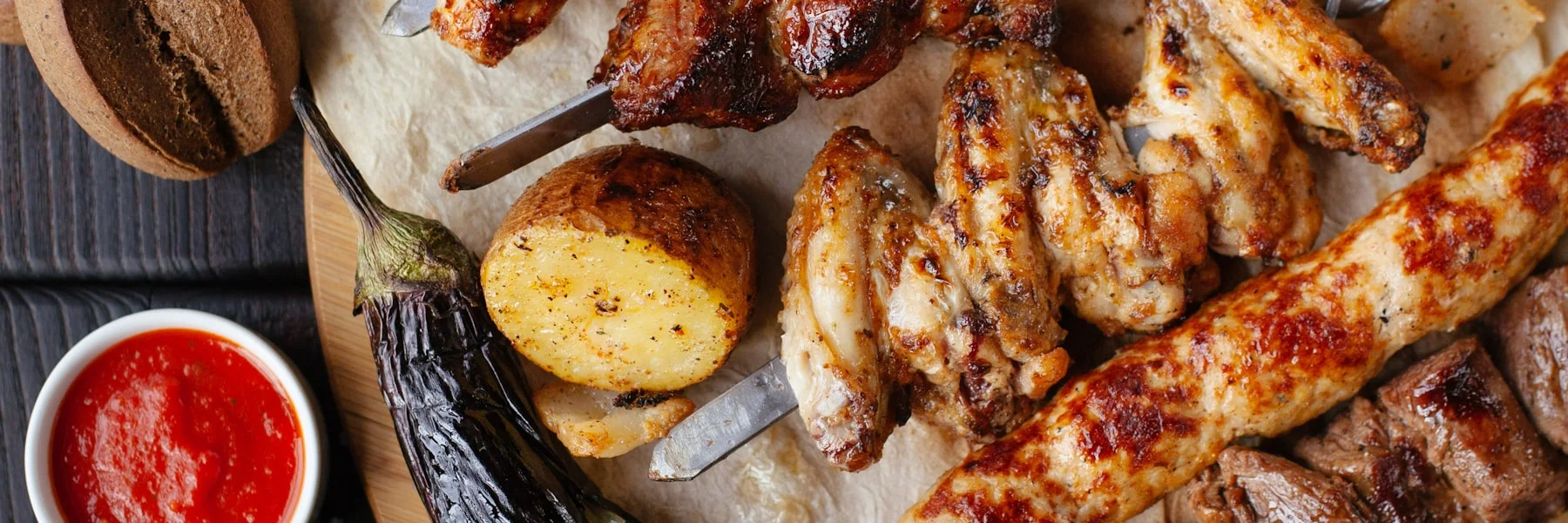
White brined cheese and dry-cured pork neck (suvi vrat) round off the local table. The cheese is fresh and creamy, the cured meat dried to old recipes. For lovers of authentic flavours these are the real thing - but check the rules before you buy. For travellers returning to the European Union, bringing meat and dairy products from non-EU countries in personal luggage is generally not allowed, and many other countries have similar rules. If your destination does not allow it, enjoy these flavours here, at a table in a traditional tavern.
Slatko and Serbian coffee
Slatko is fruit cooked down into a thick preserve - plum, sour cherry, strawberry or quince - traditionally served to guests with a glass of water. A small jar of slatko is an unusual gift few people expect. It pairs with domestic coffee: finely ground coffee brewed in a dzezva, a small metal pot with a long handle. A dzezva and a pack of coffee are light, unbreakable and fit easily in a suitcase.
Serbian wine
Serbia has a long winemaking tradition, and local wines increasingly surprise foreign guests. Wineries from different regions make white and red wines from international and native grape varieties such as prokupac. A bottle of wine is a good choice for people who do not drink spirits. If you like a local wine at a restaurant, write down the name and look for it later in a wine shop.
Handicrafts and traditional souvenirs
If you would rather not carry food, there are souvenirs that last. The Pirot kilim (pirotski cilim) is a woven rug with distinctive geometric patterns and one of the best-known symbols of Serbian craft. Opanci, traditional leather shoes with an upturned toe, and the sajkaca, a traditional Serbian cap, are popular decorative gifts. There are also embroidered tablecloths and handkerchiefs, and handmade ceramics. These items do not face the customs limits that food does and can last for generations.
What to bring - at a glance
| Product | What it is | Ideal as | Packaging |
|---|---|---|---|
| Sljivovica | plum rakija, ~45% vol | gift, souvenir | 0.7L bottle |
| Acacia honey | light, mild honey | natural gift | 500g jar |
| Hot ajvar | roasted pepper spread | taste of Serbia | 500g jar |
| White cheese | local brined cheese | to try | 500g pack |
| Suvi vrat | dry-cured pork neck | for food lovers | 500g pack |
| Slatko | cooked fruit preserve | gift for a host | small jar |
| Pirot kilim | woven rug | lasting souvenir | rolled in a bag |
Where to buy in Belgrade
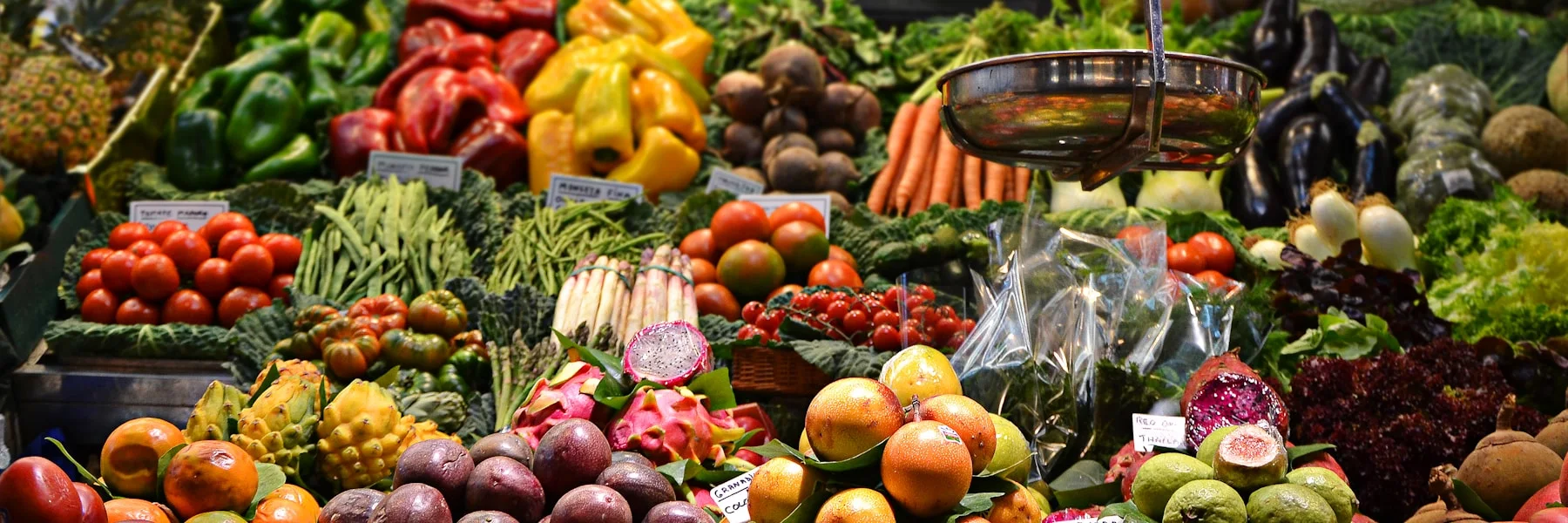
The best places for local products are the city's green markets. Kalenic market and Zeleni venac are among the best-known markets in Belgrade - you will find honey, cheese, cured meats, preserves and rakija from small producers. Go in the morning, when the choice is widest and the sellers have time to chat. Supermarkets stock ajvar, coffee and wine in factory packaging, which is handy if you need a securely sealed jar. Specialised shops for local products and wine shops offer a curated selection and usually nice gift packaging.
If you take a trip outside the city, buying directly from producers is an experience in itself - see our guide Belgrade and beyond in 3 days for ideas.
How to check quality
- Label - product type, origin, best-before date and, for rakija, the strength in % vol.
- Seal - the jar must be tightly closed and the lid must not be bulging.
- Origin - ask where and from what it was made; small producers love to tell you.
- Tasting - at markets it is common to be offered a taste of honey or cheese before you buy.
Packing, luggage and customs
Set aside half an hour for packing before you travel - it is the difference between a gift that arrives whole and a suitcase that smells of rakija.
- Wrap every bottle and jar separately in bubble wrap or clothing.
- Put them in sealed plastic bags in case something leaks.
- Place heavy items in the middle of the suitcase, surrounded by soft things, away from electronics and documents.
- Liquids (rakija, honey, ajvar) go in checked luggage if you fly - carry-on liquids are restricted, typically to 100 ml containers.
- Animal products (cheese, cured meats) are restricted in many countries - check in advance.
- Alcohol - duty-free allowances depend on your destination; for the EU it is typically 1 litre of spirits per adult, but check the current rules.
- Ask for original, well-sealed packaging and keep your receipts.
Gift ideas
- For spirits lovers - a bottle of sljivovica, kajsijevaca or dunjevaca.
- For family - acacia honey and a jar of slatko.
- For colleagues - small jars of ajvar or packs of local coffee, easy to share.
- For people who love beautiful things at home - an embroidered tablecloth, ceramics or a small Pirot kilim.
- For those who do not drink spirits - a dzezva with coffee, or a bottle of wine.
Frequently asked questions
Can I take rakija in my carry-on? Usually not, because of the liquid limits. Pack it in your checked luggage.
Can I bring cheese and cured meats into the EU? Bringing meat and dairy products from non-EU countries in personal luggage is generally not allowed. Check your country's rules before you buy.
How long does ajvar keep? The best-before date is on the jar. Once opened, keep it in the fridge.
Where can I taste these flavours before buying? In traditional Belgrade taverns - see our guide on where to eat in Belgrade.
When is the best time to shop? In the last days of your stay, so you do not carry jars around the city and the products are as fresh as possible.
Conclusion
Rakija for celebrations, honey and slatko for the family, ajvar for anyone who loves the taste of Serbia, and a kilim or embroidery as a keepsake that lasts. Buy at markets and from trusted sellers, check the rules of the country you are returning to and pack with care. For everything about the exhibition itself, read our Expo 2027 guide, and if you are still choosing where to stay, browse apartments for rent near the Expo site.